
Log in

Home
NSRC
  • Ames Earth Science
  • Airborne Science
  • Atmospheric Science
  • Biospheric Science
  • NSRC Home
  • People
  • SARP
  • Outreach
    • K-12
      • Mission Tools Suite for Education
      • MTSE Flyer
      • HS3 Hurricane Mission Connects to K-12 Classroom
      • MTSE NASA Mission Tools Suite for Education Video
      • HS3 Educational video
    • Mission Videos
      • NASA Student Airborne Research Program 2015
      • NASA HS3 - Three Years of Science 2012-2014
      • NASA Operation IceBridge - What It Takes To...
      • NASA Student Airborne Research Program 2014
      • NASA Student Airborne Research Program 2013
      • Hurricane and Severe Storm Sentinel (HS3)
      • Hurricane and Severe Storm Sentinel Time lapse
      • Flying Low over Southeast Greenland
      • NASA Airborne Science Missions and Platforms
      • NASA Student Airborne Research Program 2012
      • DC3 Instrument Upload Timelapse
      • NASA Student Airborne Research Program 2011
      • Core Airborne Platforms 2011
      • Genesis and Rapid Intensification Processes (GRIP)
      • Flying Through Hurricane Earl
      • Global Hawk Pacific (GloPac) Mission 2010
      • NASA Student Airborne Research Program 2010
      • Operation IceBridge Antarctica 2009
      • NASA Student Airborne Research Program 2009
      • ARCTAS Mission 2008
    • Social Media
      • NASA ASP Blog
      • NASA ASP Twitter
      • SARP Blog
      • SARP Facebook

Breadcrumb

  1. Home
  2. News or Current Activity

NASA Science Flights Target Melting Arctic Sea Ice

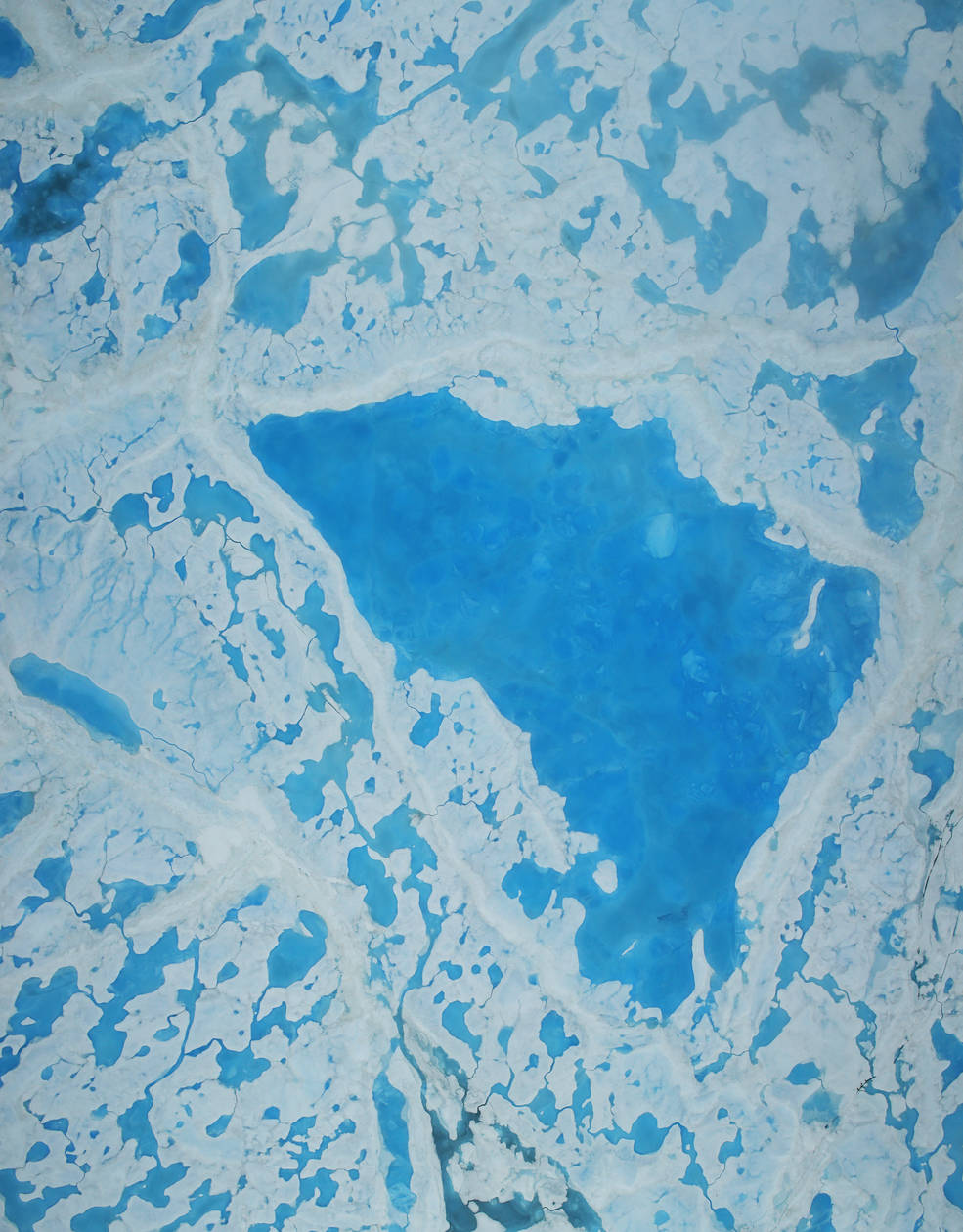
This summer, with sea ice across the Arctic Ocean shrinking to below-average levels, a NASA airborne survey of polar ice just completed its first flights. Its target: aquamarine pools of melt water on the ice surface that may be accelerating the overall sea ice retreat
Read More:
A large pool of melt water over sea ice, as seen from an Operation IceBridge flight over the Beaufort Sea on July 14, 2016. During this summer campaign, IceBridge will map the extent, frequency and depth of melt ponds like these to help scientists forecast the Arctic sea ice yearly minimum extent in September. Credits: NASA/Operation IceBridge
Mission
OIB

NASA

National Aeronautics and
Space Administration

ESPO Main Menu

  • ESPO
    • Missions
    • About ESPO
    • Video about ESPO
    • Services
    • Deployment Sites
    • Aircraft
    • Satellites
    • Links
  • ESPO Archive
    • Browse
    • Help
  • Flight Request
  • Mission Tools
    • ASP Mission Tool Suite
  • Privacy Policy
  • FOIA
  • Contact
  • Accessibility

Page Last Updated: July 20, 2016

Page Editor: Emily Schaller

NASA Official: Mihailo Derek Rutovic

Website Issues: Contact Us